State Farm

creating a modern experience and system
One goal: create a more connected State Farm for customers and the teams serving them.
As Senior Technology Manager, I built and led a multidisciplinary team of more than 24 people across over 30 initiatives. The State Farm Mobile App expanded customer self-service, the enterprise design system unified a fragmented digital ecosystem, and the Product Delivery Model improved how UX, product and engineering delivered together.
01
Project 01State Farm Mobile App
Rebuilding insurance around self-service
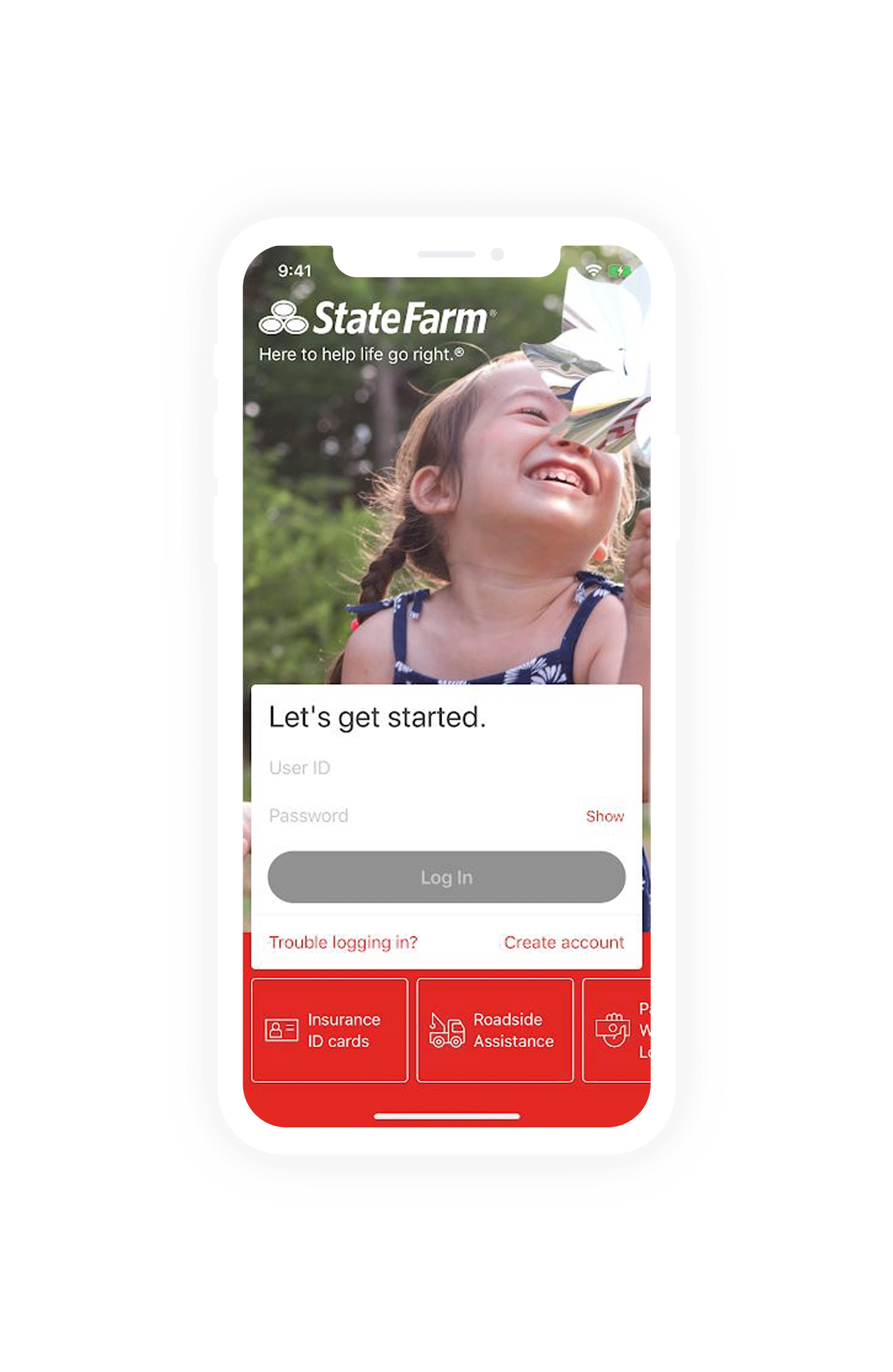
Customers needed a simpler way to manage insurance and banking from their phones. I led the launch of the State Farm Mobile App, replacing the aging Pocket Agent experience with a product centered on everyday customer needs.
At A Glance
Role: UX Lead
Organization: State Farm
Focus: Mobile experience, insurance, banking and self-service
Outcome: Launch of the award-winning State Farm Mobile App
-
Pocket Agent needed a complete redesign. Customers needed straightforward access to essential tasks, including starting a claim, retrieving insurance cards, viewing banking information and paying bills.
The challenge was to bring these capabilities together in an experience organized around customer needs rather than separate business functions.
-
Make the mobile app a practical destination for managing the customer’s relationship with State Farm.
We prioritized the tasks people came to accomplish, using self-service as the organizing principle for the experience.
-
I led the team responsible for designing and launching the app, bringing UX, product and engineering together around a shared direction.
I partnered with research, analytics, legal, compliance and accessibility teams to balance customer needs with the requirements of insurance and banking.
-
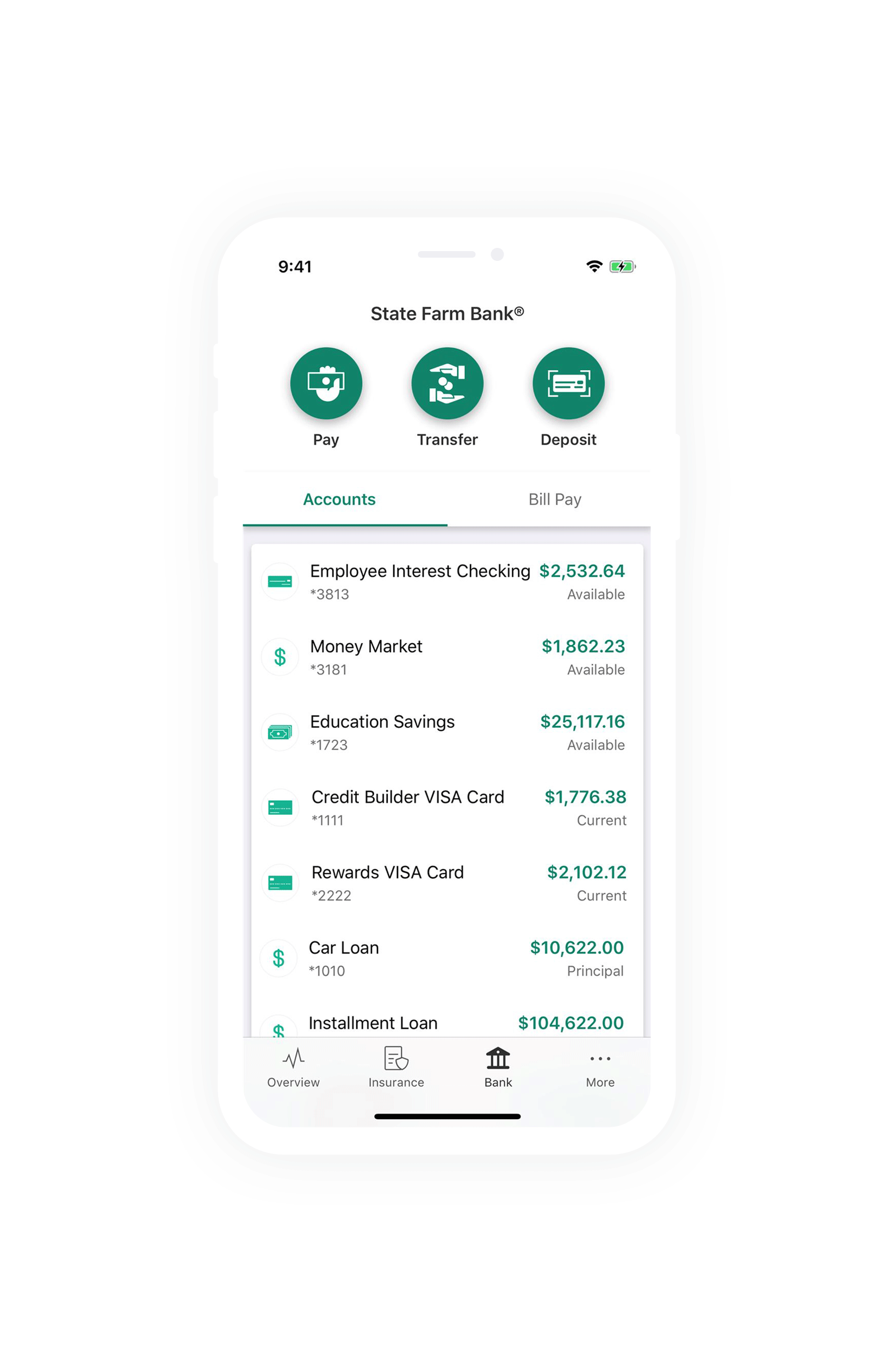
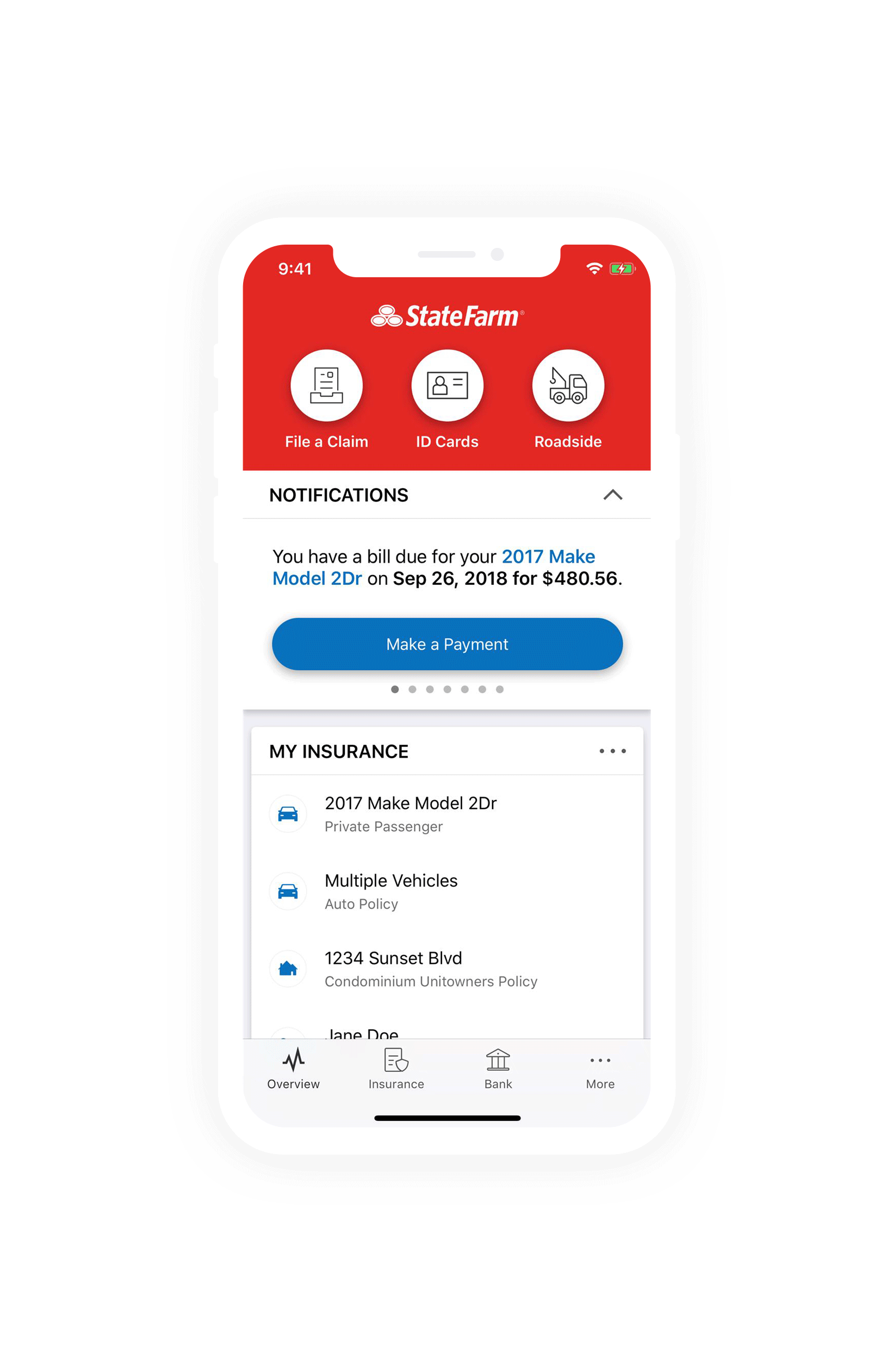
The redesigned app brought core services into one mobile experience:
Start the claims process
Access auto insurance cards
View banking information
Pay bills and manage account needs
These capabilities gave customers more ways to handle routine needs directly from their phones.
The outcome
We launched the award-winning State Farm Mobile App, replacing Pocket Agent with a redesigned experience focused on customer self-service.
The work brought insurance and banking capabilities together and established a stronger mobile foundation for the customer relationship.
What this work demonstrates.My ability to Lead a customer-facing product from strategic direction through launch, aligning multidisciplinary teams and making complex services easier to use.
02
Project 02State Farm
Life Insurance
A Clear Path to Coverage
I led the redesign of State Farm’s digital term life insurance quote experience, guiding customers through personal questions, coverage choices and connecting with an agent.
At A Glance
Role: UX Lead
Organization: State Farm
Scope: Term life quotes, coverage guidance and agent selection
Focus: Self-service, clear choices and customer support
-
Getting a life insurance quote involves personal questions and unfamiliar decisions. Customers need to understand what information to provide, how much coverage to consider and when to speak with an agent.
The experience also needed to support people seeking coverage for themselves or someone else.
-
Guide customers through one decision at a time, explain unfamiliar choices when they arise and connect the online quote with personal advice.
-
As UX Lead, I led the team responsible for the redesign. I guided the experience across the quote journey, from the sequence of questions and supporting guidance to coverage choices and agent selection.
-
The design connected several parts of the customer journey:
Focused questions: One question at a time, visible progress and follow-up questions based on earlier answers.
Different customer needs: Separate paths for people seeking coverage for themselves or another person, with language adapted to each situation.
Guidance along the way: Eligibility information before starting, explanations of health categories and a calculator to help assess coverage needs.
Control over the quote: Coverage and term choices, opportunities to review and change answers, and options for additional adults and children.
A path to an agent: Location and language preferences, agent profiles and a process for sending the quote for follow-up.
We developed a connected quote journey that brought personal information, coverage guidance, quote review and agent selection together.
The designs and prototype established how customers could explore their options independently and continue the conversation with an agent.
The outcome
What this work demonstrates.Leading complex product design requires making detailed requirements understandable and useful. This work shows how I guide teams toward clear customer choices, account for different situations and connect digital self-service with human support.
03
Project 03State Farm Product
Delivery Model
Building the organization behind the experience
Transforming State Farm’s digital products required a stronger way of delivering them. I built and led a multidisciplinary team and developed a Product Delivery Model that made UX an integrated part of product development.
At A Glance
Role: UX Lead
Organization: State Farm
Team: More than 24 UX, product and engineering professionals
Scope: More than 30 simultaneous initiatives
Focus: Team building, cross-functional engagement and delivery quality
-
A new UX organization was working within a long-established company where supporting processes were outdated or missing.
With more than 30 initiatives running simultaneously, teams needed clearer expectations about how to engage UX, collaborate across disciplines and move work forward.
-
Make good delivery repeatable by giving teams a shared understanding of how they worked together.
The opportunity was to establish UX as part of product development, supported by clear responsibilities, engagement points and expectations.
-
I built and led the multidisciplinary team, established its direction and cleared obstacles to delivery.
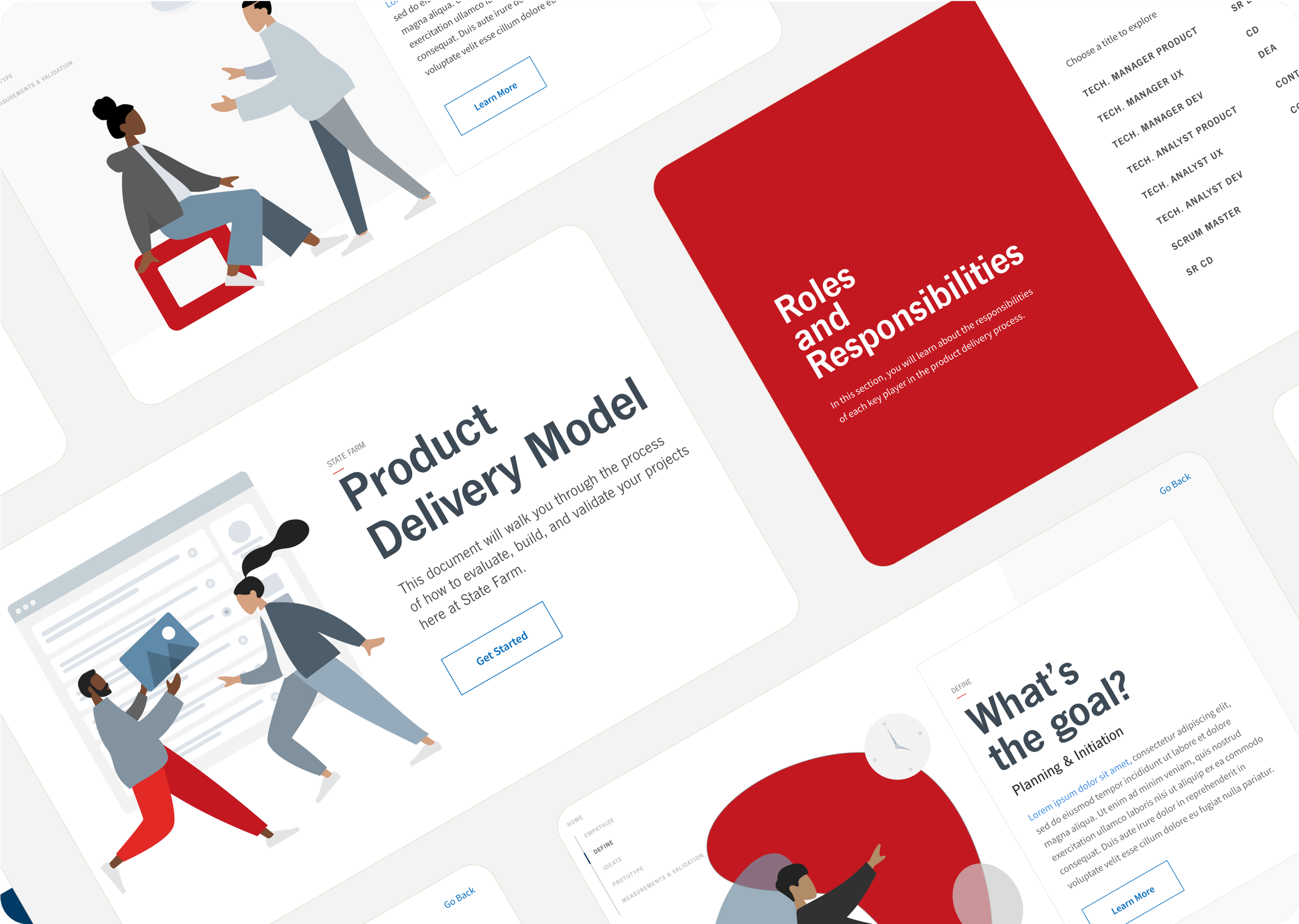
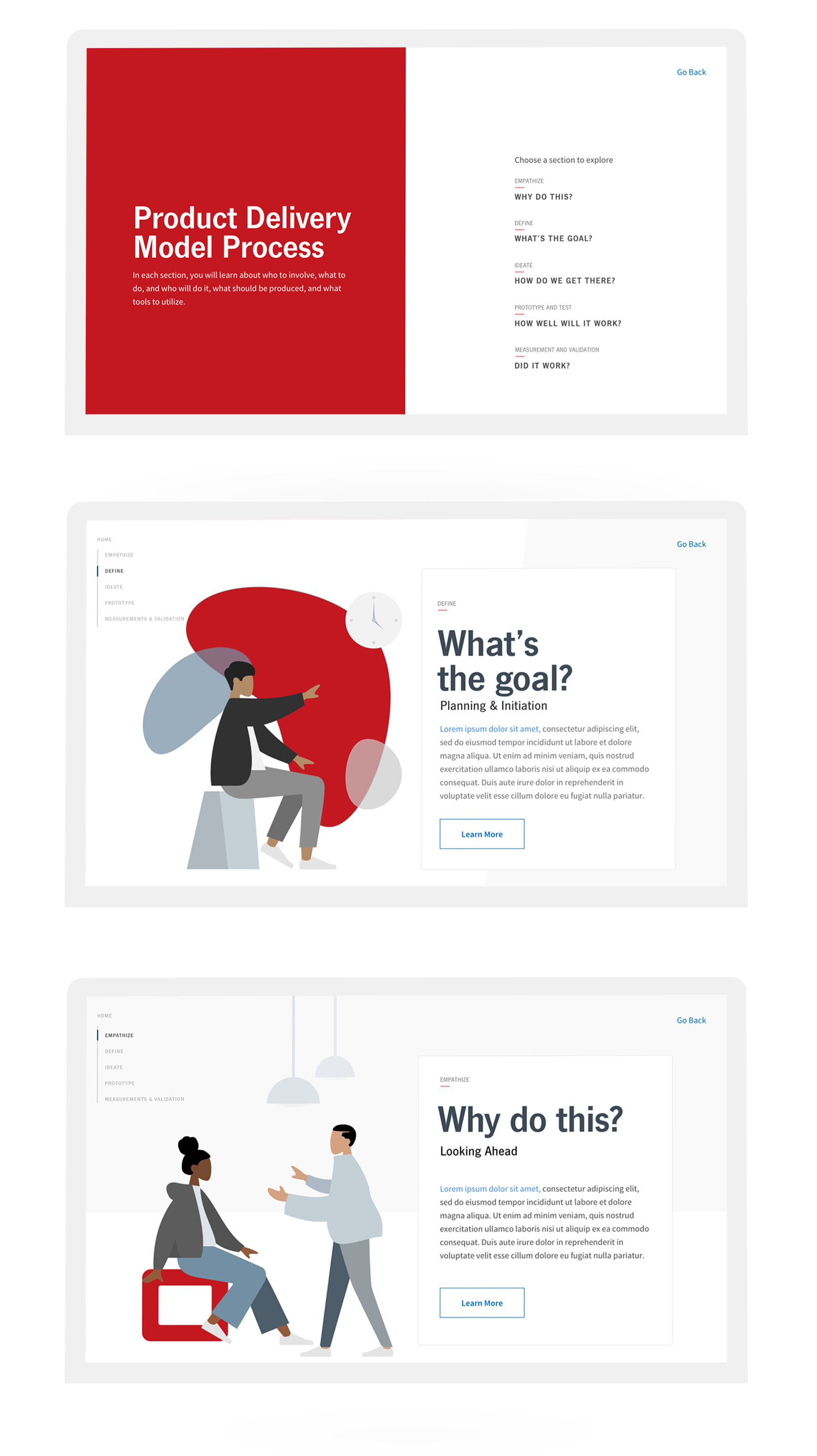
I developed the Product Delivery Model to communicate the value of UX and align product, engineering, marketing, research, analytics, legal, compliance and accessibility around a common approach.
-
The model clarified how teams engaged throughout product delivery:
Roles and responsibilities across disciplines
When and how UX participated
Cross-functional collaboration points
Expectations for process and delivery
It gave teams a shared reference for coordinating work across products and channels within an agile environment.
The outcome
The Product Delivery Model improved the quality and pace of delivery while making expectations clearer across teams.
Combined with the organization I built, it provided a more consistent foundation for supporting a broad portfolio of concurrent initiatives.
What this work demonstrates.